computer-vision-5
Continual Learning
3260 papers • 126 benchmarks • 313 datasets
Continual Learning (also known as Incremental Learning, Life-long Learning) is a concept to learn a model for a large number of tasks sequentially without forgetting knowledge obtained from the preceding tasks, where the data in the old tasks are not available anymore during training new ones. If not mentioned, the benchmarks here are Task-CL, where task-id is provided on validation. Source: Continual Learning by Asymmetric Loss Approximation with Single-Side Overestimation Three scenarios for continual learning Lifelong Machine Learning Continual lifelong learning with neural networks: A review
(Image credit: Papersgraph)

Benchmarks
These leaderboards are used to track progress in continual-learning-15
Trend
Dataset
Best Model
Actions

ASC (19 tasks)
ASC (19 tasks)

visual domain decathlon (10 tasks)
visual domain decathlon (10 tasks)

Libraries
iUse these libraries to find continual-learning-15 models and implementations
23 papers 1,516
Datasets
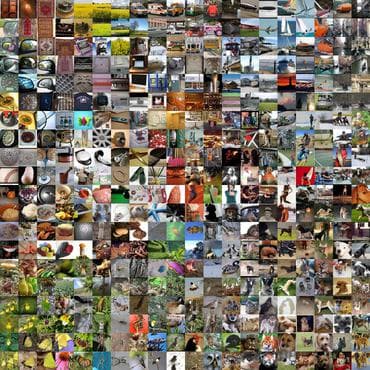
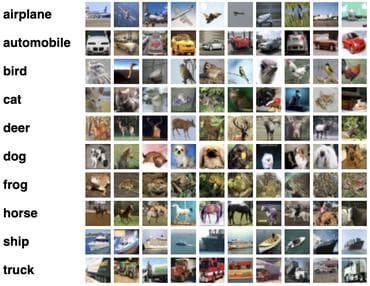
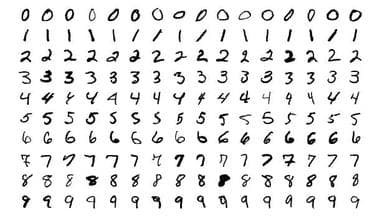
Subtasks
Most implemented papers
Overcoming catastrophic forgetting in neural networks
D. Hassabis, Razvan Pascanu, J. Kirkpatrick, Andrei A. Rusu, J. Veness, D. Kumaran, C. Clopath, R. Hadsell, John Quan, Guillaume Desjardins, Neil C. Rabinowitz, Kieran Milan, Tiago Ramalho, A. Grabska-Barwinska•Thu Dec 01 2016
It is shown that it is possible to overcome the limitation of connectionist models and train networks that can maintain expertise on tasks that they have not experienced for a long time and selectively slowing down learning on the weights important for previous tasks.